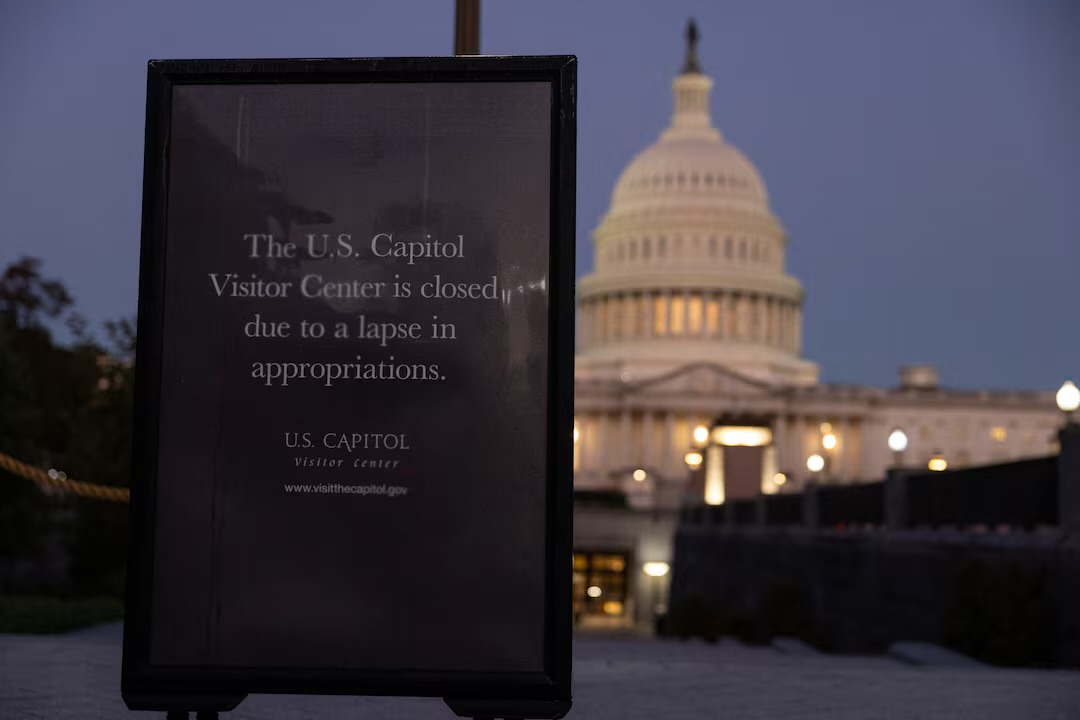
When the Government Stops Tracking It: What the 2025 Data Gaps Mean for Contractor Bookkeeping
How the Government Shutdown Is Affecting Job Costing, Cash Flow and Small Business Planning
The Data Fog Every Contractor Should Understand
The United States just experienced a record 43-day federal government shutdown. According to the Financial Times, the shutdown has created a major gap in the nation’s most important economic datasets. Key agencies, including the Bureau of Labor Statistics (BLS) and the Bureau of Economic Analysis (BEA), were unable to collect or publish critical information such as employment trends, inflation reports and GDP updates.
This disruption has created a period of economic uncertainty often referred to as a data fog. For contractors, small construction firms and service-based trades, this uncertainty directly impacts pricing, bidding, cash flow, forecasting and profitability.
1. What Economic Data Is Missing and Why It Matters
The FT report highlights that some government data points for several months may be incomplete or never fully reconstructed. These include:
- Labor market reports
- Inflation measurements (CPI)
- Consumer spending data
- Wage growth indicators
- Productivity figures
- GDP components and revisions
Without reliable data, contractors and small businesses face greater difficulty predicting costs, estimating demand and planning for fluctuations in wages or materials.
2. How the Data Gaps Affect Contractors and Trades
Economic uncertainty affects contractors in several ways:
Job bids become riskier
Without accurate inflation or wage data, contractors may unintentionally underprice jobs or fail to account for material price increases.
Cash flow forecasting becomes harder
If consumer demand slows or becomes unpredictable, contractors may face delayed projects, slower payments or more conservative spending from clients.
Material and labor cost volatility increases
Supply chain unpredictability and unstable labor data can lead to surprise cost escalations.
Financing becomes more documentation-driven
Lenders rely on government data to assess macro conditions. When that data is missing, they evaluate small businesses more heavily on internal bookkeeping quality.
IRS and compliance backlogs grow
A long shutdown often causes slower IRS responses and processing delays. Clean, organized, audit-ready books are essential.
3. Strong Internal Bookkeeping Becomes Critical
When national economic indicators are unclear, your own financial system becomes the foundation for reliable decision-making. Robust contractor bookkeeping helps fill the gap left by missing government data.
Key areas contractors should focus on include:
Job costing
Accurately track labor, materials, subcontractors, equipment, permits and overhead for each project. This is essential for controlling margins.
Cash flow monitoring
Weekly review of cash inflows and outflows ensures contractors catch issues before they become problems.
Material cost tracking
Assign every supplier purchase to a job to avoid margin erosion.
Labor and payroll documentation
Prevent overtime surprises, misclassification penalties and payroll tax errors.
Accounts receivable discipline
Clear invoicing processes and follow-ups help maintain steady cash flow during uncertain economic conditions.
4. Five Practical Steps Contractors Should Take Now
1. Add a 5 to 10 percent contingency to all new job bids
This protects your margins from unexpected inflation or wage increases.
2. Compare estimated versus actual job costs monthly
This helps identify underpriced jobs and cost overruns quickly.
3. Keep books updated weekly
Accurate and timely bookkeeping protects you during periods of economic uncertainty.
4. Build or strengthen cash reserves
Aim for one to two months of operating expenses to protect against volatility.
5. Organize documentation for lenders and the IRS
Receipts, invoices, payroll records, contracts and bank reconciliations should be audit-ready at all times.
5. Why Contractors Need a Professional Bookkeeper Today
With unreliable national data and increased economic uncertainty, professional bookkeeping becomes a strategic advantage for contractors. A dedicated bookkeeping service provides:
- Clean and accurate financial statements
- Job costing performance reports
- Cash flow forecasting
- Payroll and subcontractor 1099 management
- Monthly reconciliation and oversight
- Tax-ready records
- Better visibility into profitability
- Support for financing or credit applications
Silva Financial Inc helps contractors in Miami stay compliant, profitable and prepared for uncertainty by offering specialized bookkeeping for HVAC, plumbing, electrical, landscaping, roofing, and construction services.
Conclusion: Do Not Wait for the Data to Return
The shutdown may have ended, but according to the FT report, the effects on economic data accuracy will continue for months. Contractors and service businesses who rely solely on government indicators may find themselves unprepared for unexpected changes.
The solution is strong, proactive bookkeeping that provides clarity, insight and control. With structured job costing, disciplined cash flow management and accurate financial reporting, contractors can stay profitable and confident even when national data is incomplete.
Get a Free Financial Review for Your Contracting Business
Silva Financial Inc specializes in bookkeeping for contractors and trades across the United States and South Florida.
Schedule a free 15-minute consultation to evaluate your books, job costing and cash flow planning.